
خلاصه خبر
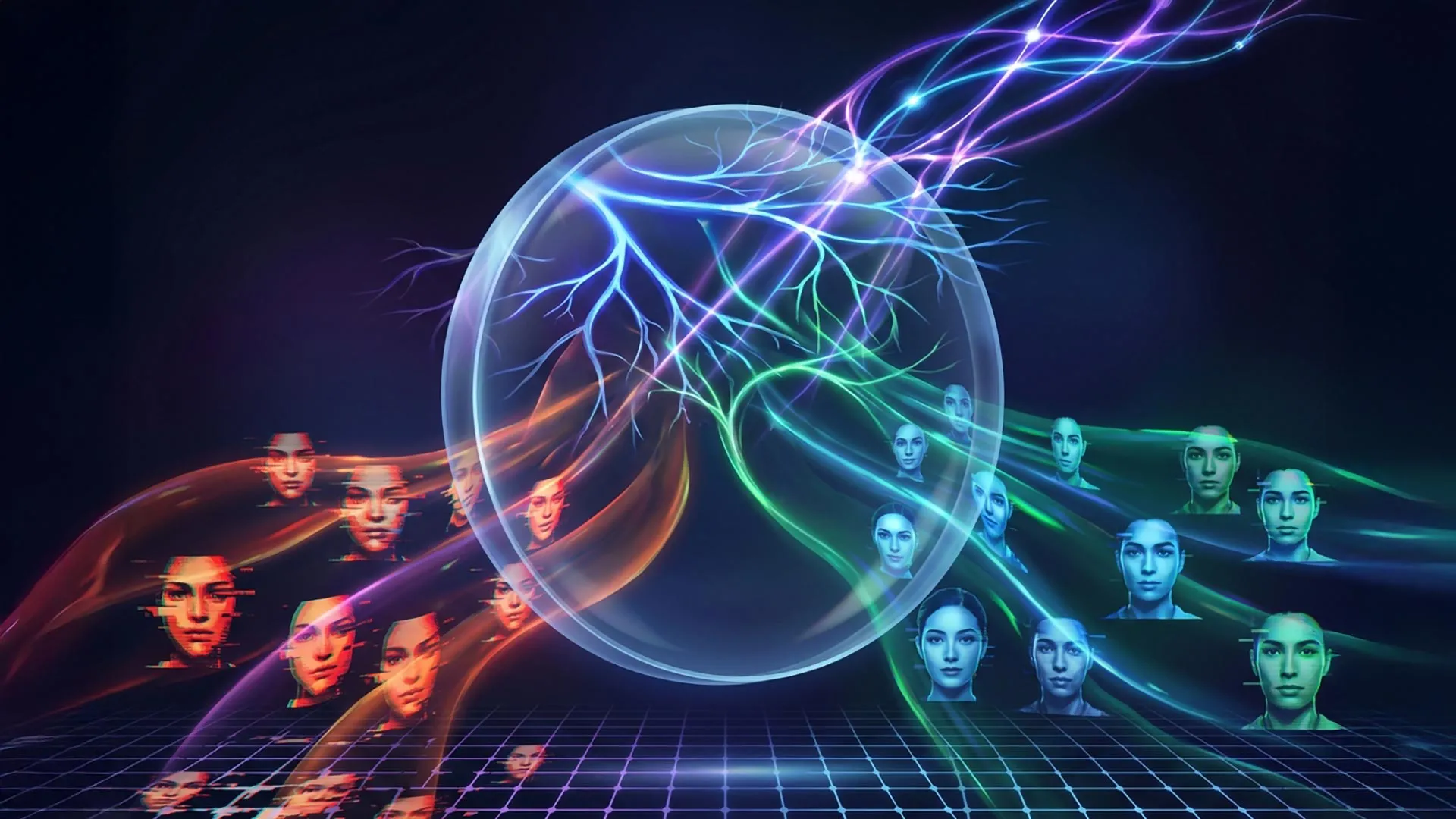
UCLA researchers built an AI system that uses light to analyze more than a dozen videos simultaneously, detecting deepfakes with nearly 98% accuracy. Its speed, low energy demands, and resistance to attacks could make it a powerful tool for screening the growing flood of AI-generated video.
زمینه و جزئیات
Researchers at the University of California, Los Angeles (UCLA) have created a new optical-neural processor that uses light to help identify deepfake videos quickly and accurately. Unlike conventional systems that typically examine videos one after another using digital hardware, the UCLA technology can analyze 15 or more video streams at the same time. The key difference is that part of the detection process takes place through the physical propagation of light. This allows many videos to be evaluated simultaneously during a single optical pass rather than requiring each one to move separately through a conventional digital processing pipeline. The technology is detailed in the study "Scala
چرا برای مخاطب فارسی مهم است؟
کاربران، کسبوکارها و پژوهشگران ایرانی هر روز بیشتر با مدلهای زبانی، تولید تصویر و اتوماسیون هوشمند سروکار دارند. دنبال کردن این خبر کمک میکند تصمیمهای دقیقتری برای کار، آموزش و سرمایهگذاری گرفته شود.
- اثر مستقیم روی ابزارهای روزمره مثل چتبات و جستجو
- تغییر رقابت میان شرکتهای بزرگ فناوری
- اهمیت شفافیت، ایمنی و قوانین هوش مصنوعی
نگاه هما
تحریریه هما این خبر را برای مخاطب فارسی بازنویسی کرده است تا بهجای ترجمهٔ خام، تصویر روشنی از «This light-powered AI can spot deepfakes with nearly 98% accuracy» ارائه شود. جزئیات تکمیلی را در منبع اصلی بخوانید و اگر میخواهید همین موضوع را عمیقتر بررسی کنید، در چت هما بپرسید.
پرسشهای پرتکرار
موضوع این خبر چیست؟
UCLA researchers built an AI system that uses light to analyze more than a dozen videos simultaneously, detecting deepfakes with nearly 98% accuracy. Its spee
منبع خبر کجاست؟
این گزارش بر اساس پوشش ScienceDaily AI تهیه شده است.