
خلاصه خبر
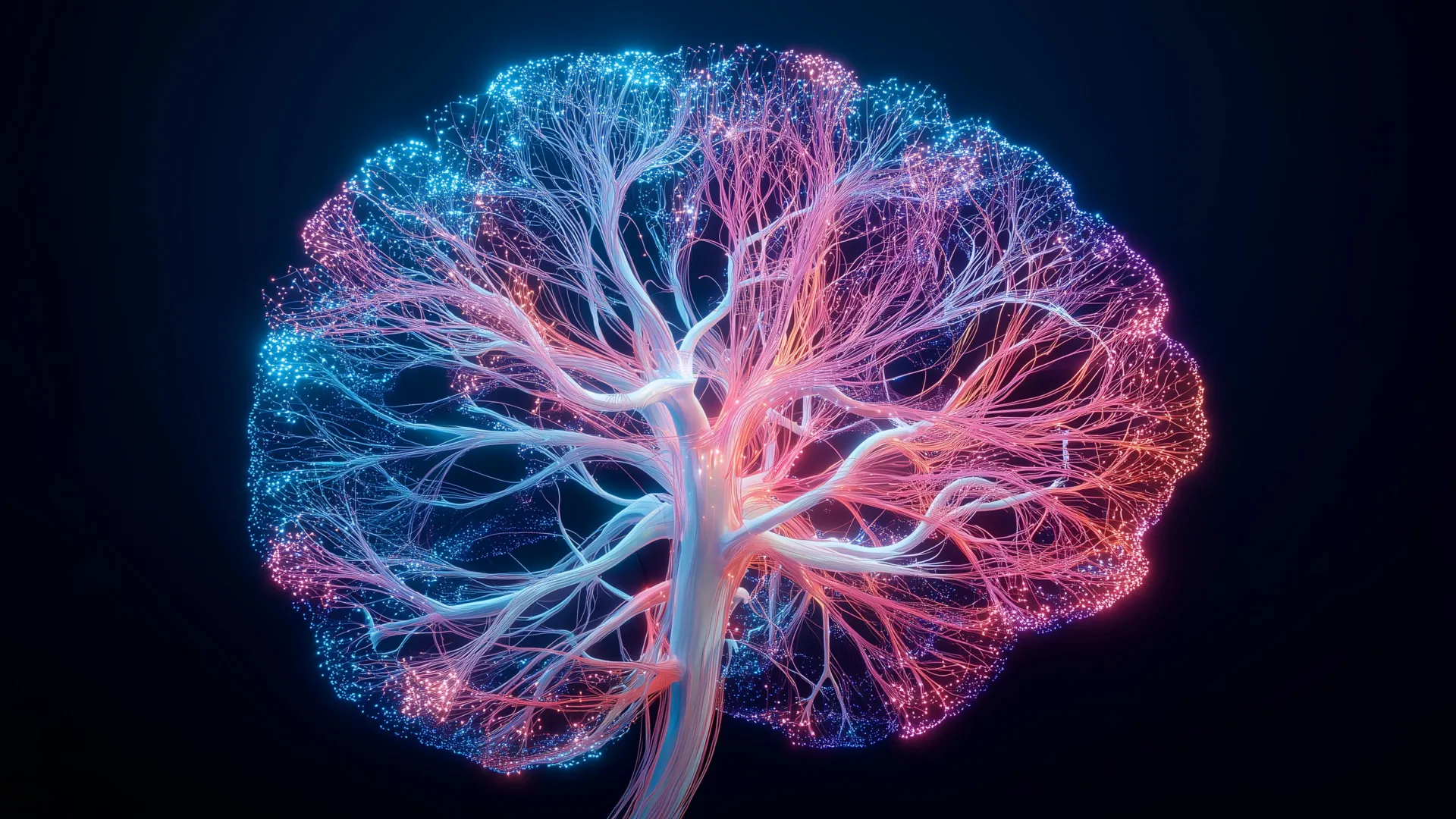
A new study suggests the brain begins making decisions much earlier than scientists previously thought. Researchers found that even primary sensory regions are influenced by higher brain areas through rapid feedback loops, rather than simply passing information forward. This more dynamic view of brain function could help engineers design future AI systems that think more like biological brains while using far less power.
زمینه و جزئیات
Scientists at the University of Illinois Urbana Champaign have uncovered evidence that could reshape how researchers think about both the brain and artificial intelligence. Their findings suggest that decision making begins much earlier in the brain than traditional theories propose, offering fresh ideas for designing future AI systems that are more capable and far more energy efficient. Led by electrical and computer engineering professor Yurii Vlasov at The Grainger College of Engineering, the research was published in Proceedings of the National Academy of Science (PNAS). The study points to an unexpected role for early sensory brain regions in decision making, challenging the long accept
چرا برای مخاطب فارسی مهم است؟
کاربران، کسبوکارها و پژوهشگران ایرانی هر روز بیشتر با مدلهای زبانی، تولید تصویر و اتوماسیون هوشمند سروکار دارند. دنبال کردن این خبر کمک میکند تصمیمهای دقیقتری برای کار، آموزش و سرمایهگذاری گرفته شود.
- اثر مستقیم روی ابزارهای روزمره مثل چتبات و جستجو
- تغییر رقابت میان شرکتهای بزرگ فناوری
- اهمیت شفافیت، ایمنی و قوانین هوش مصنوعی
نگاه هما
تحریریه هما این خبر را برای مخاطب فارسی بازنویسی کرده است تا بهجای ترجمهٔ خام، تصویر روشنی از «Scientists discovered the brain doesn't make decisions the way we thought» ارائه شود. جزئیات تکمیلی را در منبع اصلی بخوانید و اگر میخواهید همین موضوع را عمیقتر بررسی کنید، در چت هما بپرسید.
پرسشهای پرتکرار
موضوع این خبر چیست؟
A new study suggests the brain begins making decisions much earlier than scientists previously thought. Researchers found that even primary sensory regions ar
منبع خبر کجاست؟
این گزارش بر اساس پوشش ScienceDaily AI تهیه شده است.