خلاصه خبر
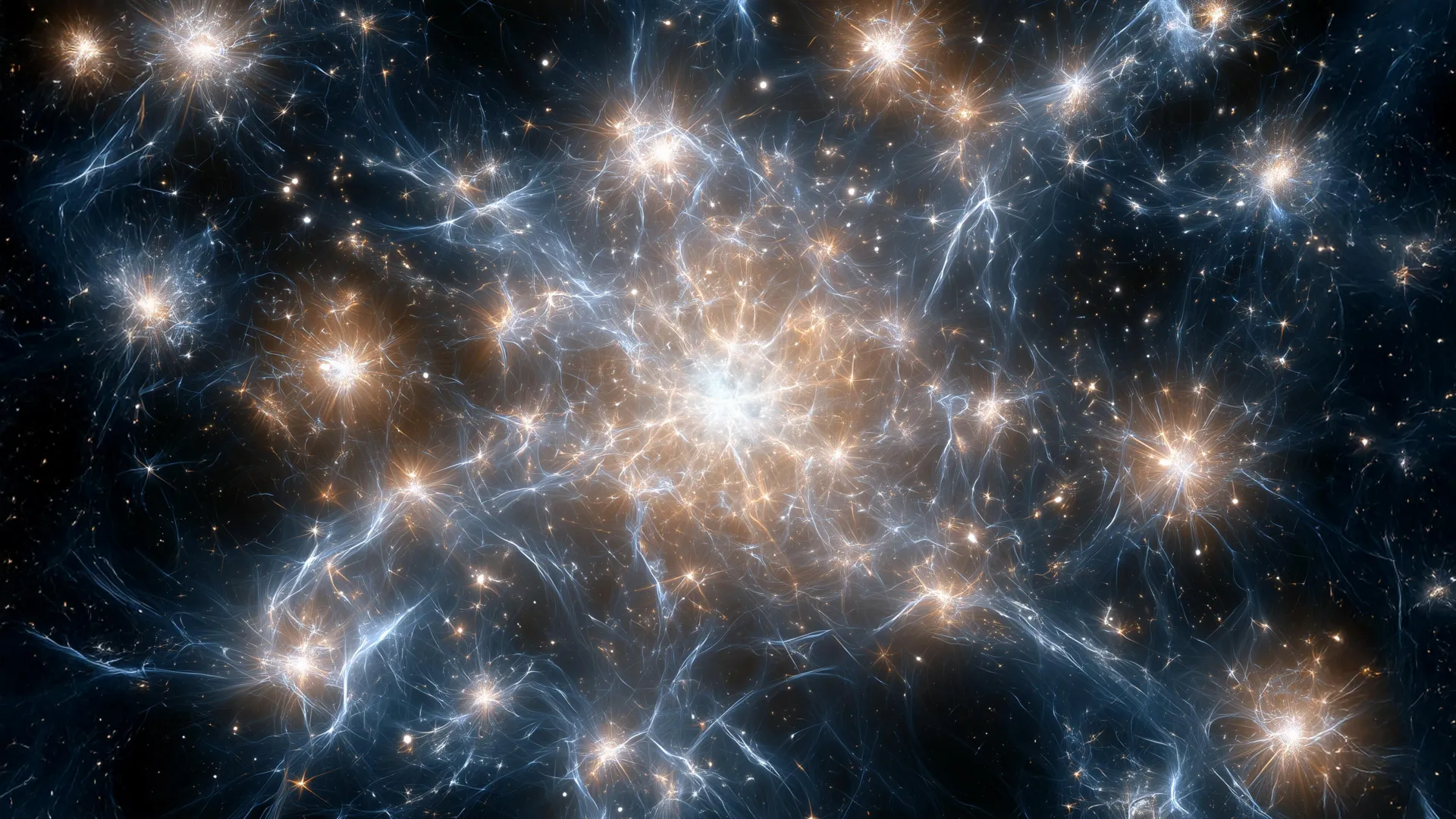
A new AI-powered framework could transform how astronomers measure the expansion of the Universe. By analyzing images of Type Ia supernovae and modeling their environments in unprecedented detail, researchers can estimate cosmic distances with near-spectroscopic accuracy. The technique is designed for the flood of data expected from the upcoming Vera C. Rubin Observatory and may greatly improve our understanding of dark energy.
زمینه و جزئیات
Researchers led by the Institute of Cosmos Sciences of the University of Barcelona (ICCUB) have developed a new technique that could greatly improve how scientists study the expansion of the Universe and investigate the mysterious force known as dark energy. Published in Nature Astronomy, the research introduces a framework called CIGaRS that can extract far more information from Type Ia supernovae, the powerful stellar explosions used to measure vast cosmic distances. Unlike many current approaches, the method relies mainly on imaging data rather than expensive spectroscopic observations. The advance is expected to help astronomers take full advantage of the enormous datasets that will soon
چرا برای مخاطب فارسی مهم است؟
کاربران، کسبوکارها و پژوهشگران ایرانی هر روز بیشتر با مدلهای زبانی، تولید تصویر و اتوماسیون هوشمند سروکار دارند. دنبال کردن این خبر کمک میکند تصمیمهای دقیقتری برای کار، آموزش و سرمایهگذاری گرفته شود.
- اثر مستقیم روی ابزارهای روزمره مثل چتبات و جستجو
- تغییر رقابت میان شرکتهای بزرگ فناوری
- اهمیت شفافیت، ایمنی و قوانین هوش مصنوعی
نگاه هما
تحریریه هما این خبر را برای مخاطب فارسی بازنویسی کرده است تا بهجای ترجمهٔ خام، تصویر روشنی از «Millions of exploding stars could soon reveal dark energy's secrets» ارائه شود. جزئیات تکمیلی را در منبع اصلی بخوانید و اگر میخواهید همین موضوع را عمیقتر بررسی کنید، در چت هما بپرسید.
پرسشهای پرتکرار
موضوع این خبر چیست؟
A new AI-powered framework could transform how astronomers measure the expansion of the Universe. By analyzing images of Type Ia supernovae and modeling their
منبع خبر کجاست؟
این گزارش بر اساس پوشش ScienceDaily AI تهیه شده است.