خلاصه خبر
When COVID-19 emerged, scientists had a crucial advantage: Decades of prior research on coronaviruses meant they understood the virus’ key proteins well enough to design vaccines in record time. The next pandemic may not offer the same head start. To help improve the odds, NVIDIA has joined a coalition of global research organizations, including Google […]
زمینه و جزئیات
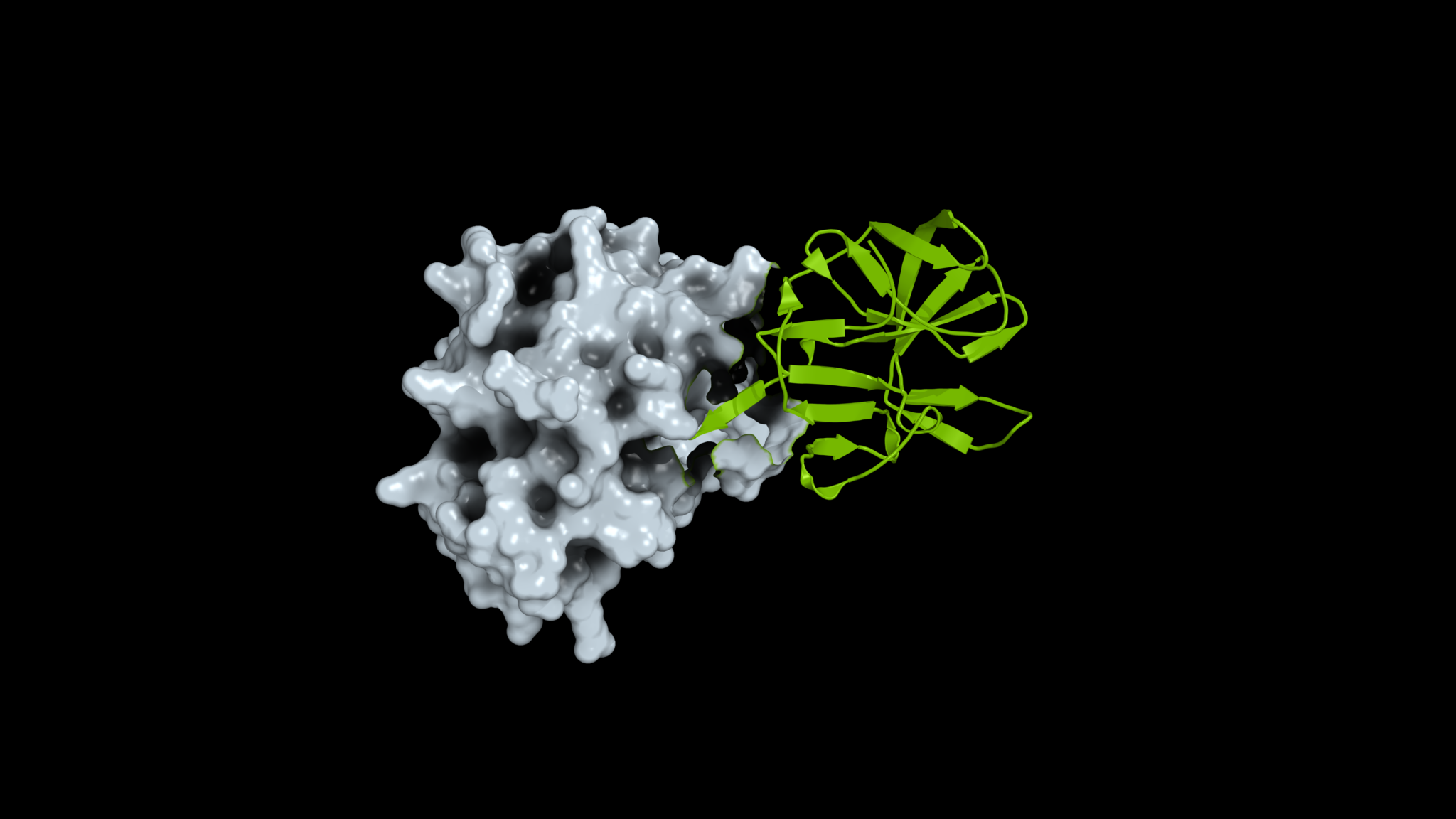
When COVID-19 emerged, scientists had a crucial advantage: Decades of prior research on coronaviruses meant they understood the virus’ key proteins well enough to design vaccines in record time. The next pandemic may not offer the same head start. To help improve the odds, NVIDIA has joined a coalition of global research organizations, including Google DeepMind and the European Molecular Biology Laboratory’s European Bioinformatics Institute (EMBL-EBI), to release predicted 3D structures for the protein complexes of more than 2,800 viruses — openly available to any scientist, anywhere, through the AlphaFold Database. The structures in the newly released dataset were inferred using AlphaFold2
چرا برای مخاطب فارسی مهم است؟
کاربران، کسبوکارها و پژوهشگران ایرانی هر روز بیشتر با مدلهای زبانی، تولید تصویر و اتوماسیون هوشمند سروکار دارند. دنبال کردن این خبر کمک میکند تصمیمهای دقیقتری برای کار، آموزش و سرمایهگذاری گرفته شود.
- اثر مستقیم روی ابزارهای روزمره مثل چتبات و جستجو
- تغییر رقابت میان شرکتهای بزرگ فناوری
- اهمیت شفافیت، ایمنی و قوانین هوش مصنوعی
نگاه هما
تحریریه هما این خبر را برای مخاطب فارسی بازنویسی کرده است تا بهجای ترجمهٔ خام، تصویر روشنی از «How Open Science Can Help Researchers Prepare for the Next Pandemic» ارائه شود. جزئیات تکمیلی را در منبع اصلی بخوانید و اگر میخواهید همین موضوع را عمیقتر بررسی کنید، در چت هما بپرسید.
پرسشهای پرتکرار
موضوع این خبر چیست؟
When COVID-19 emerged, scientists had a crucial advantage: Decades of prior research on coronaviruses meant they understood the virus’ key proteins well enoug
منبع خبر کجاست؟
این گزارش بر اساس پوشش NVIDIA AI تهیه شده است.